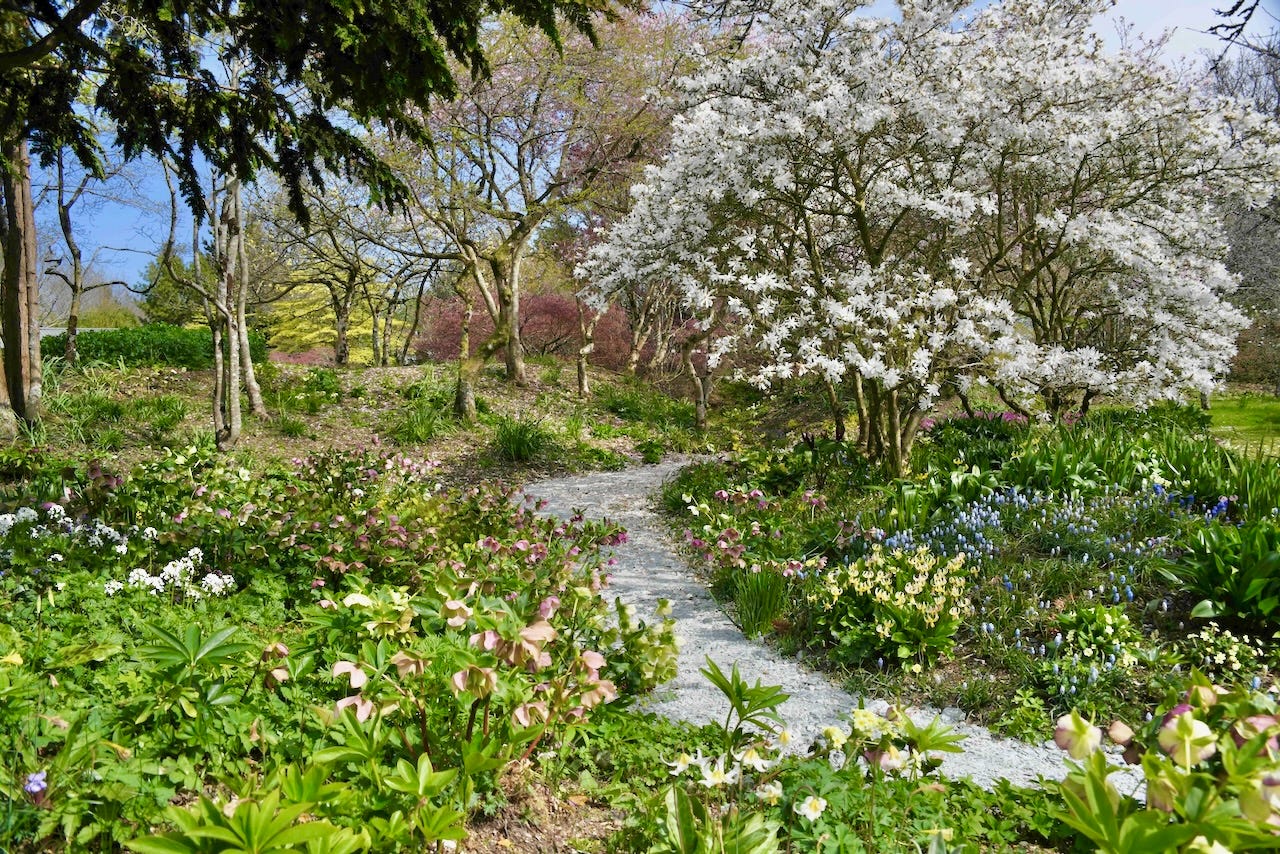
Visiting Wildside, Devon
UK Gardens Series

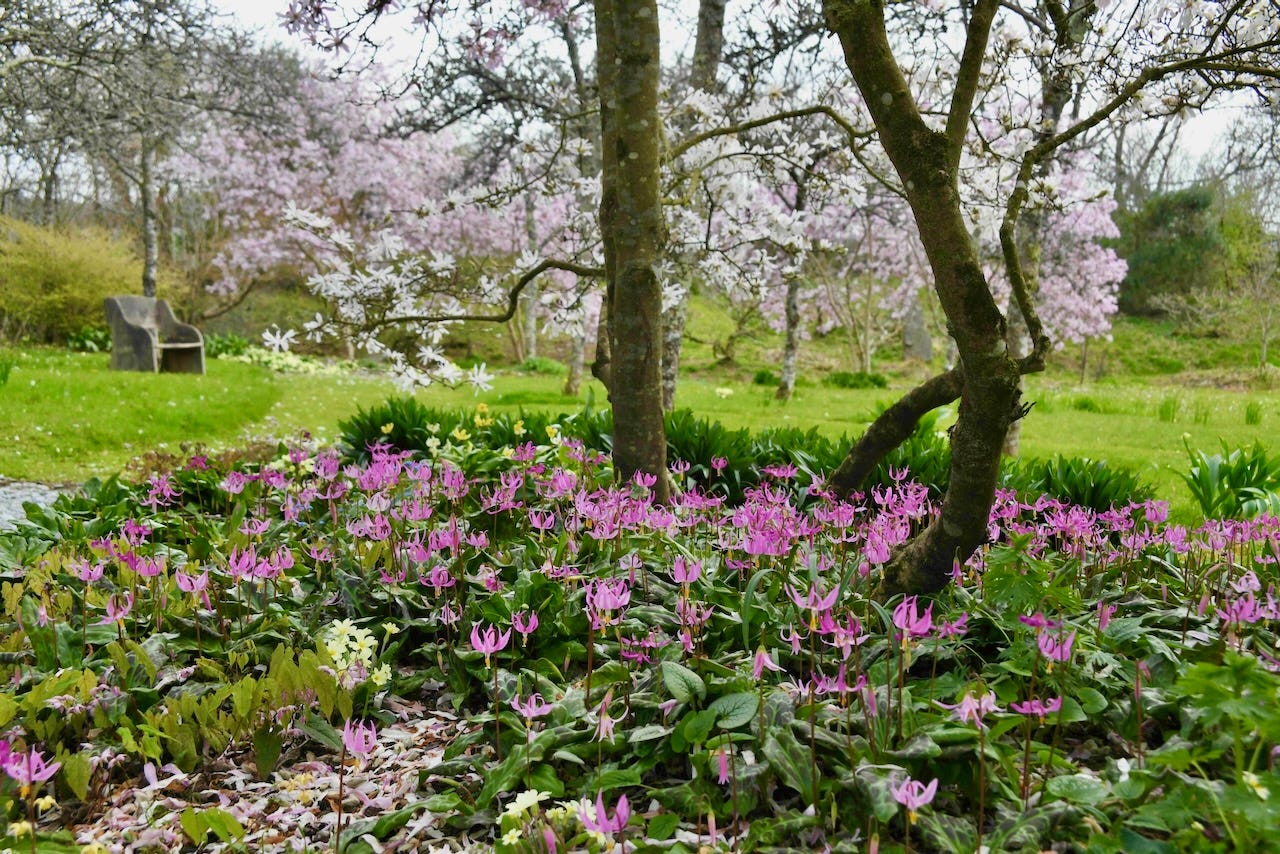
“You can get lost in these valleys and become part of the community of plants – you can look into the faces of snowdrops. After that, the idea of growing on the flat seems so dull.”
🌿 Keith Wiley at Wildside
When I began gardening twenty years ago, I was deeply enamored of Great Dixter’s idea of succession planting—a way to grow as many plants as possible in one space. In a small garden, layered planting is really a exciting way to go. But after we came to our one-acre garden, Havenwood, I became more interested in growing plants for all of the varied conditions that we inherited here: boggy bits around the edges; damp sunny spots; dry, and shady mounds. I talk about the horticultural value of these trouble spots for biodiversity in my class: Botanical Opportunities.

It in not surprising then that I was very interested when I heard (first in the English Garden, on Gardeners World, and from Garden Masterclass) about Keith Wiley’s work to increase plant diversity at Wildside. Since 2004, Keith has been gardening by actively building more complicated planting areas to grow a wider variety of plants.
Keith shared with Hole & Corner that:
“Shaping the landscape creates such varied habitats – on one side of a valley I can have a shady north-facing bank where I grow Himalayan woodland plants, while the other side is south-facing, with hot shade where I can grow things that inhabit the woods of California. People think that shade is shade – it isn’t.”
Trip Down to Devon
After a hot day at Iford Manor, I headed down into the mist of Devon, over the windswept mountains of Dartmoor, to a garden that every professional gardener I talked to along the way said they were anxious to see: Wildside.
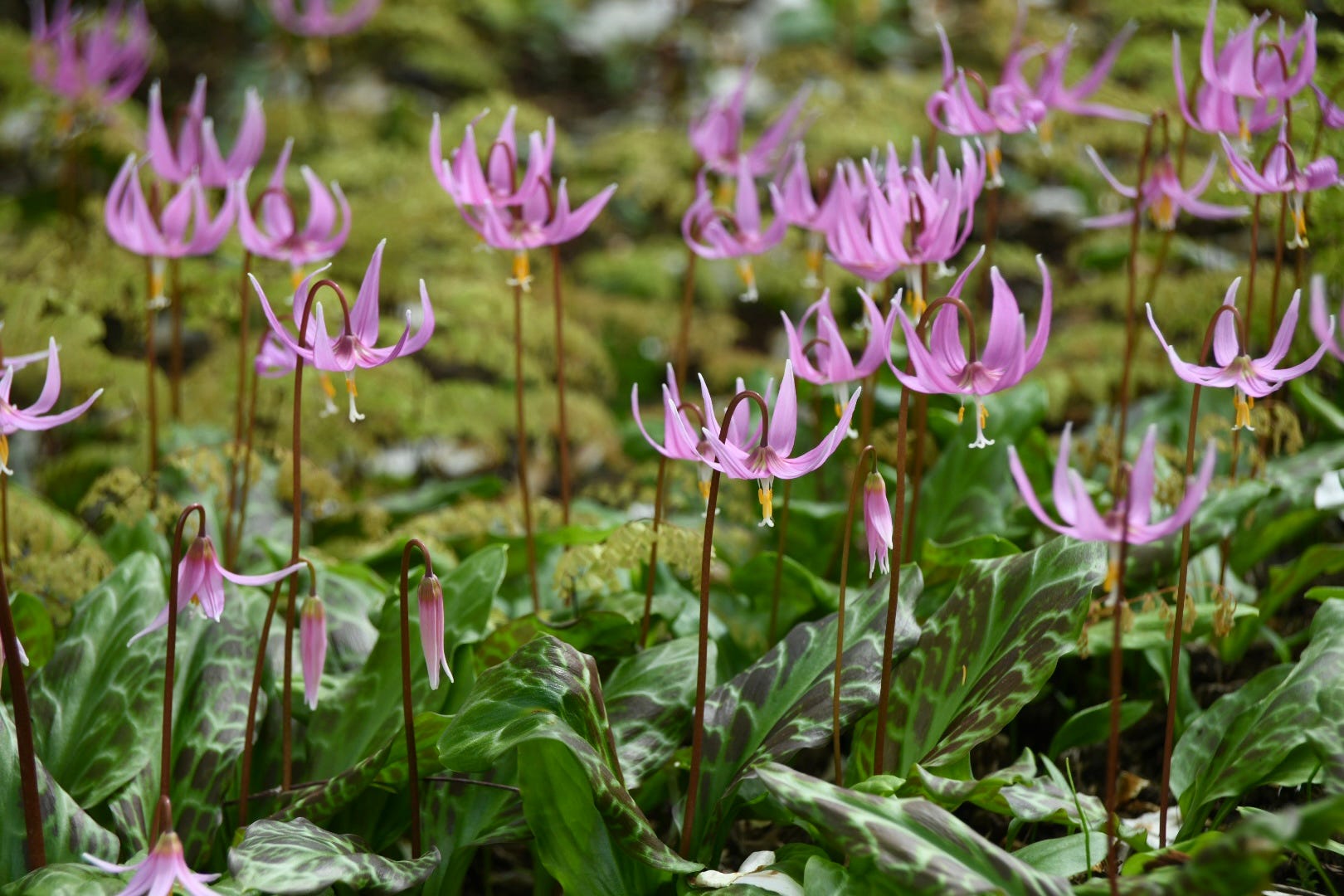
April is a fantastic time to visit! I have never seen so many Erythroniums in one place before, and the whole place was alight with spring blossom. Spring is also gardening time, and I had a look at all the work that Keith had in full swing, building his Canyons, a tribute garden for his beloved wife.
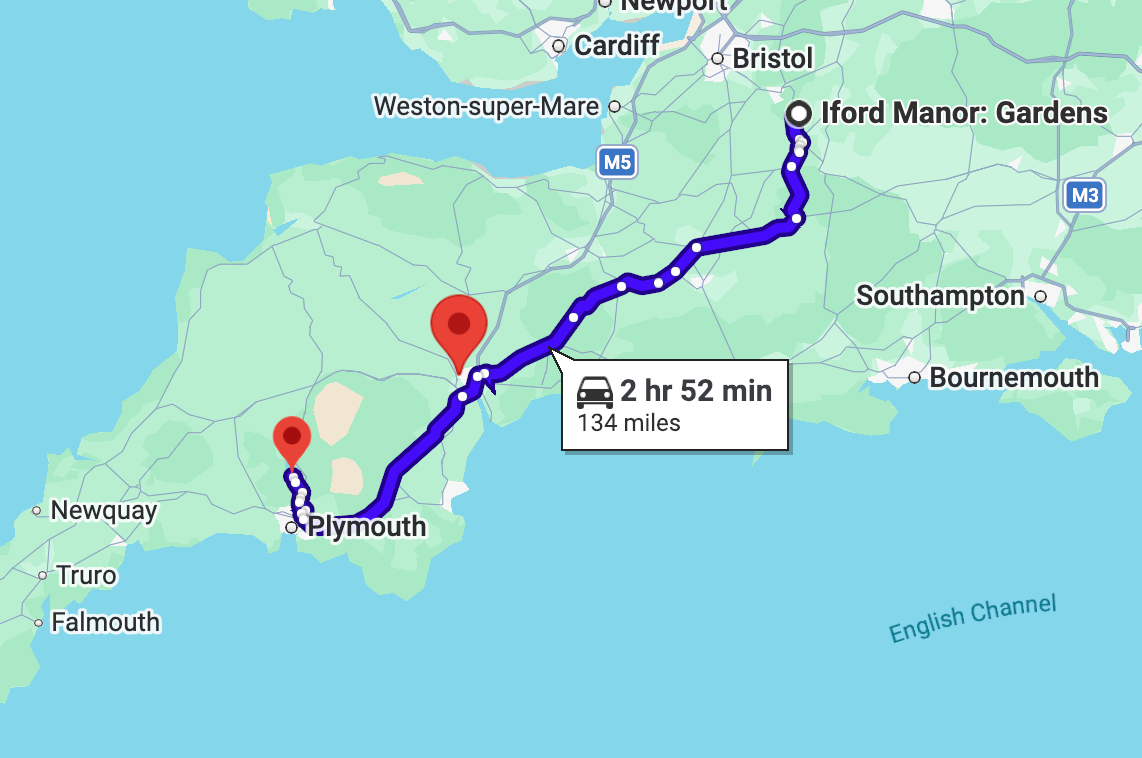
Join me for my southern journey into Devon for this special garden…
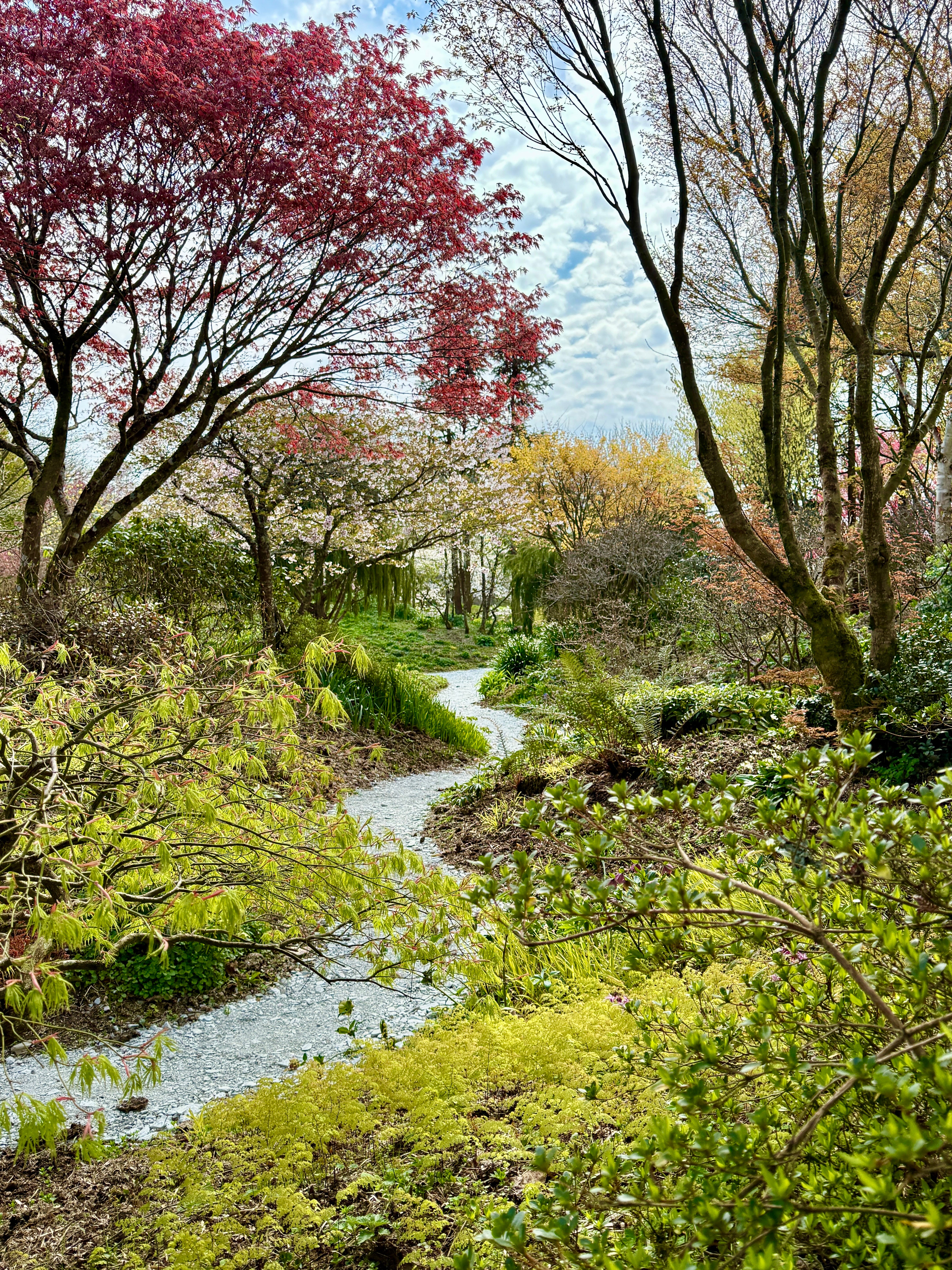
“Of course what I do is crazy unless you make it work, but if you do make it work it creates something that is amazing.”
🌿 Keith Wiley
Getting to Wildside in Devon


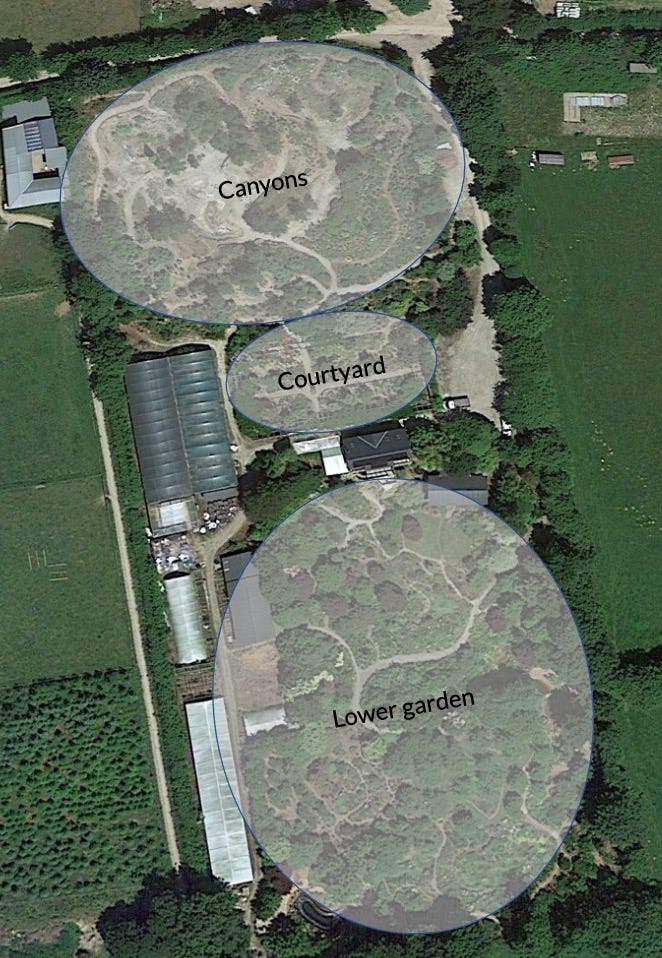
Wildside’s Lower Garden
There are three main parts to the gardens at Wildside. The oldest garden is the Lower Garden, which does sit lower on the site below the house. It was just a farmed field in 2004 when Keith & Ros Wiley moved in, and he immediately began to move a great deal of earth to make the bones of the garden that we see now.