

The Iris Bed
Garden Rooms (the tiniest one!) at Havenwood Gardens

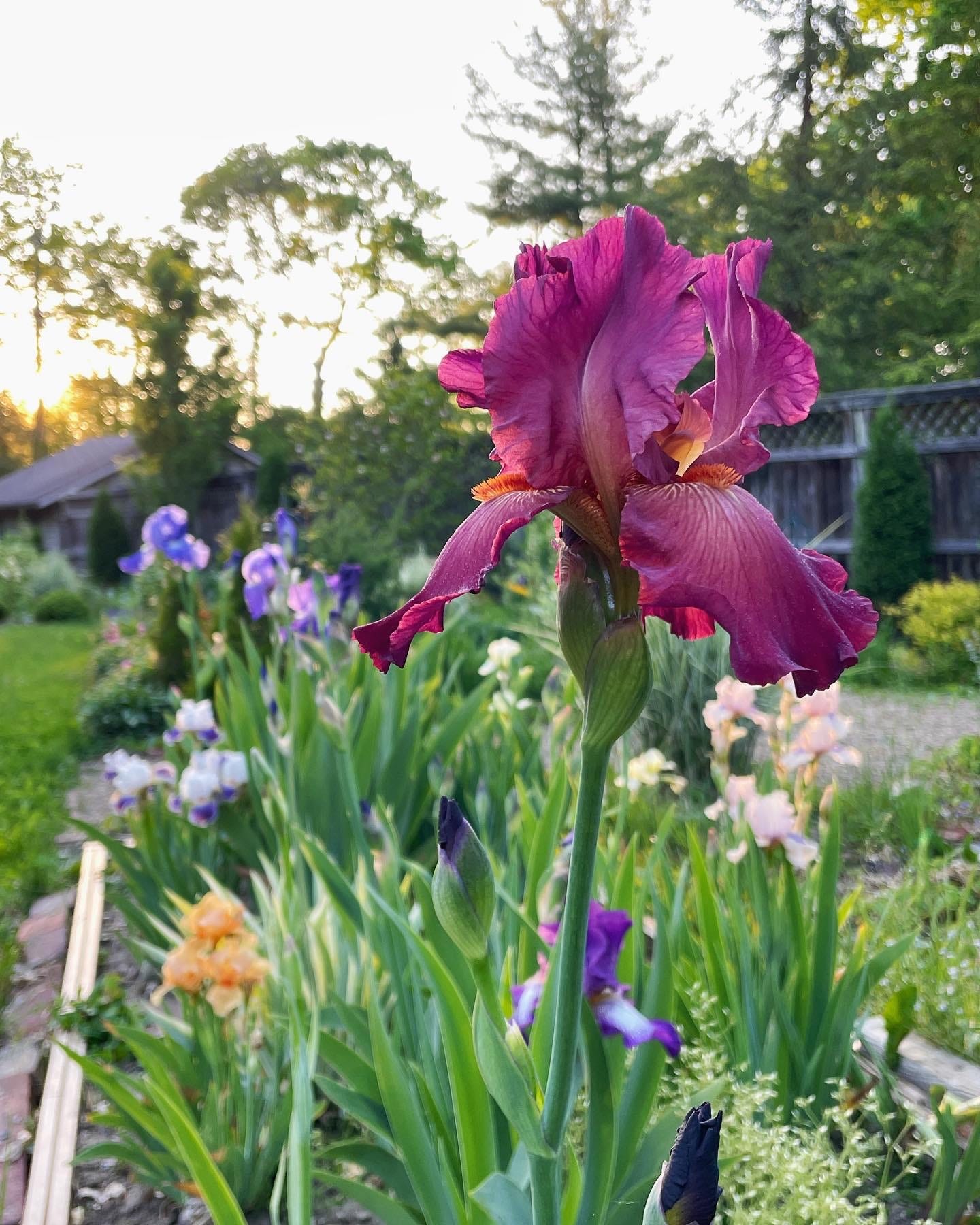
Author’s note: I wrote the story of our new Bearded Iris bed last year in preparation for my podcast episode with Ben Dark on Dear Gardener. It had quite a few observations about irises which I thought might be interesting for anyone who currently has an Iris patch that is (inevitably) looking a bit tatty by September. This is the time to dig and transplant your congested groups of irises to have a larger, more flamboyant display in the coming years. Bearded iris seem to respond right away to transplanting, while Iris siberica tends to sulk for a year before coming back with renewed vigor.
Our New Iris Bed
I’ve just started a new bed beside our lawn exclusively for Bearded Iris. As much as I like a good full-to-bursting, over-planted border, Bearded Iris do not. I’ve planted them in my successional plantings for years and inevitably I end up searching for them in a sea of perennial foliage and they have shrunken to tiny fragments of their former selves.
So now we’ve made a shallow bed near the play lawn, in front of where the new cold frames will be built, so that they have maximum light. They will only be competing with themselves, which they should heartily appreciate.
Once I had gone around saving all of the little Iris bits around the garden and planting them into this new bed, I realized I needed a few more colors so it was necessary that I fall into temptation by colorful photos and annual clearance sales of a US Iris grower, Schreiner’s.
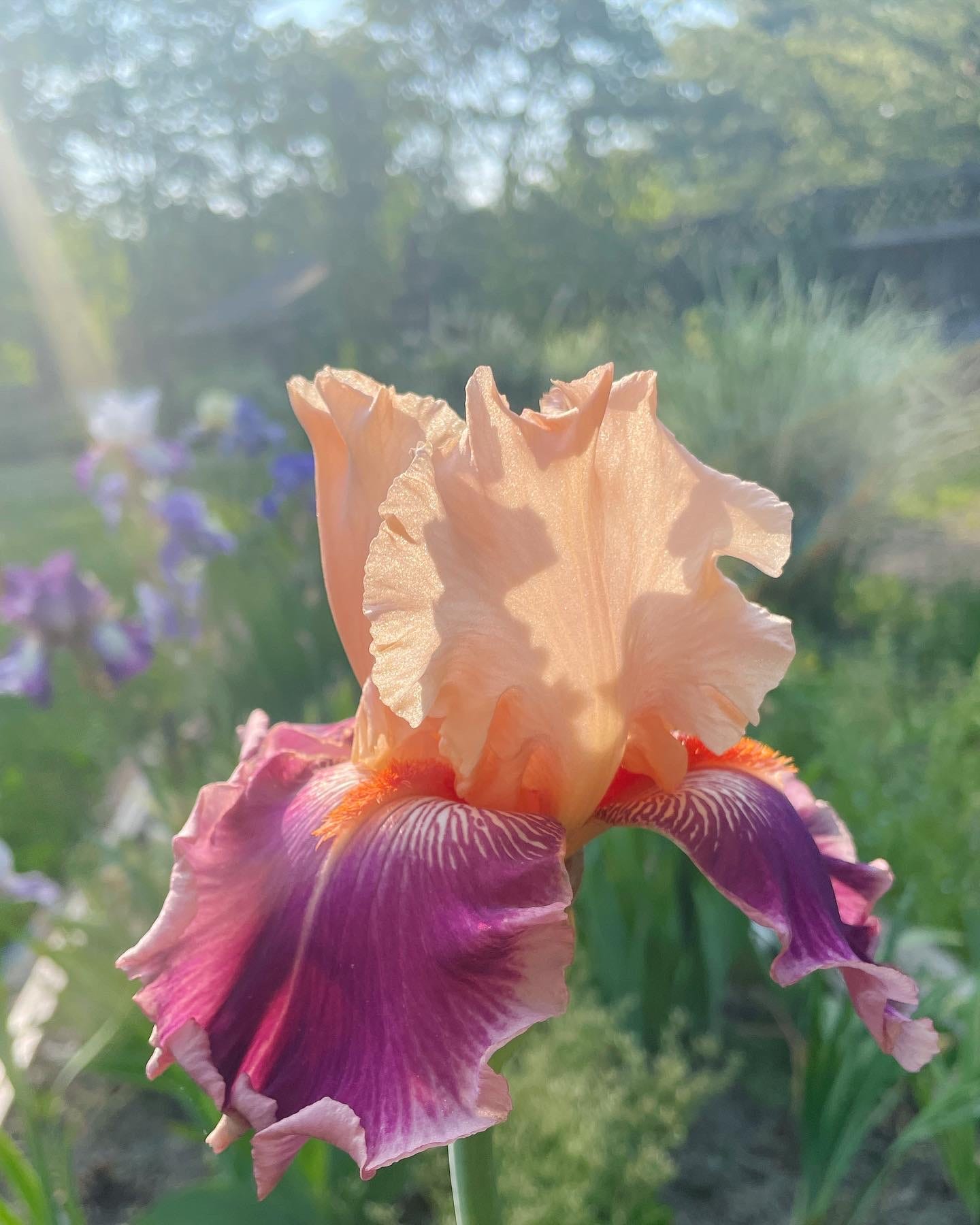
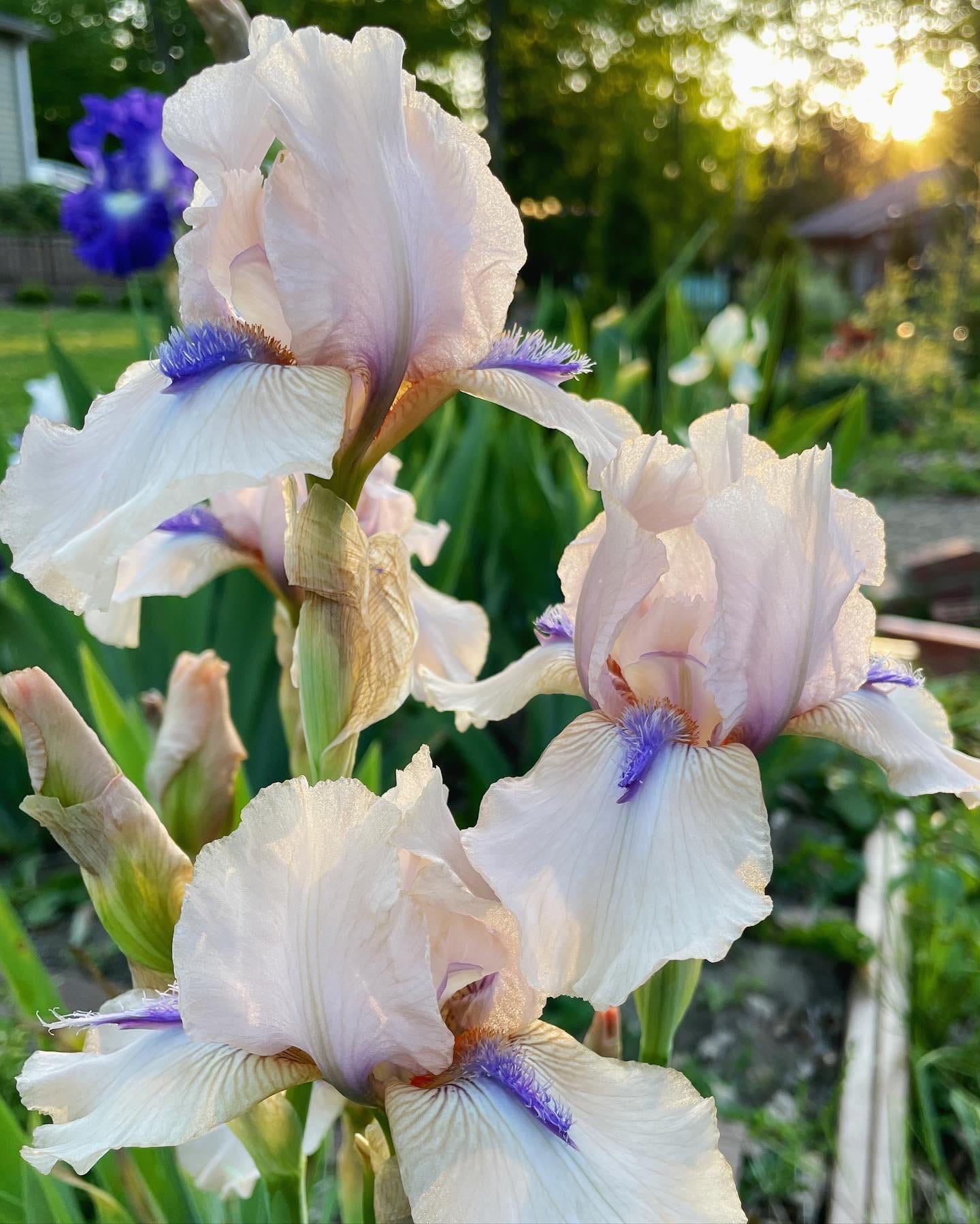
I had a nice butter yellow, and some vivid purples before, but just yesterday I got a box full of 14 new varieties packed in wood shavings, so now I have the whole rainbow. Light blues, peaches, vivid plum colors, and all in between. One is named Cherry Blossom Song, a blend of apricot and mauve, so I look forward to seeing if it lives up to its name.
This afternoon I tucked the new Iris into their new bed with their thin roots under the soil and their thick rhizomes sitting on top - like ducks with their spindly legs hanging under the water and their rumps floating on top. Or like a child holding an inflatable inner tube low around their middle with just their legs sticking out of the bottom.
I grouped purples and butter yellows together flowing into the plums and peaches, so hopefully it will be a little piece of the rainbow next year.


Home education…
has given me a second chance at a nature education after missing it in school. Even as a certified horticulturalist, the time I spend looking at the world through my children’s eyes gives it new value.
This morning, since I had a dozen just-delivered iris roots laying about, we used them for our nature notebooks. We drew the plant, looked up its native habitat, its botanical name, how it got it, and other facts.
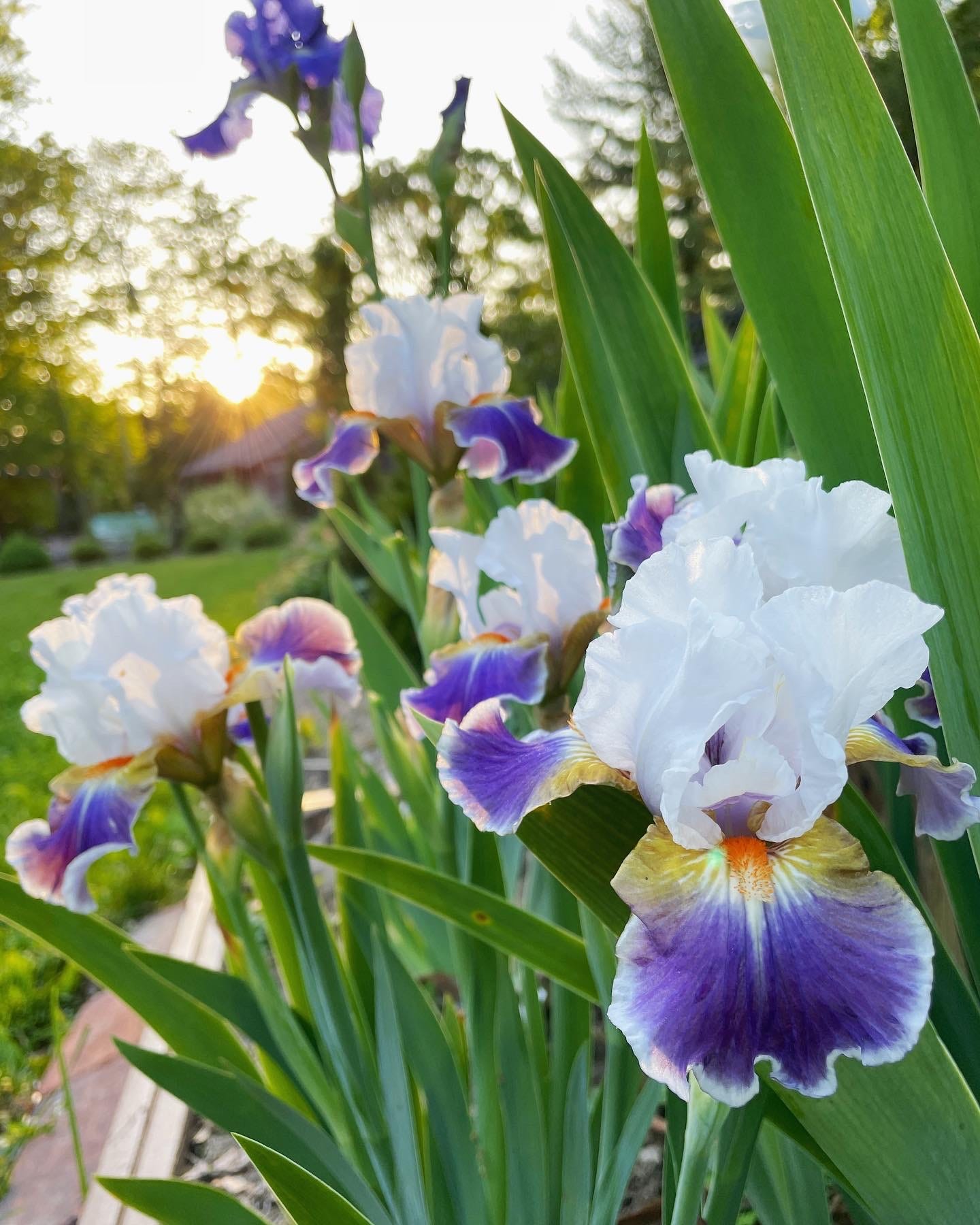
Iris germanica
Iris germanica are native to the eastern Mediterranean, but they take their species name from Germany. They are also quite cold hardy, which is why I can grow them here in north-western Pennsylvania where it can get to -15F (-26 C) in the winter.
The magic of nature study is that when my 12-year-old son sees the bearded iris rainbow next year, he will recall how we sat in September and drew them and talked about their name and their origin. Seeing them again in our own garden, month after month, is how he and I continue to build a relationship with them. When they bloom next summer (and hopefully for many years to come) they’ll reward us for our doting attention this autumn in their new, spacious, gritty-soil bed.
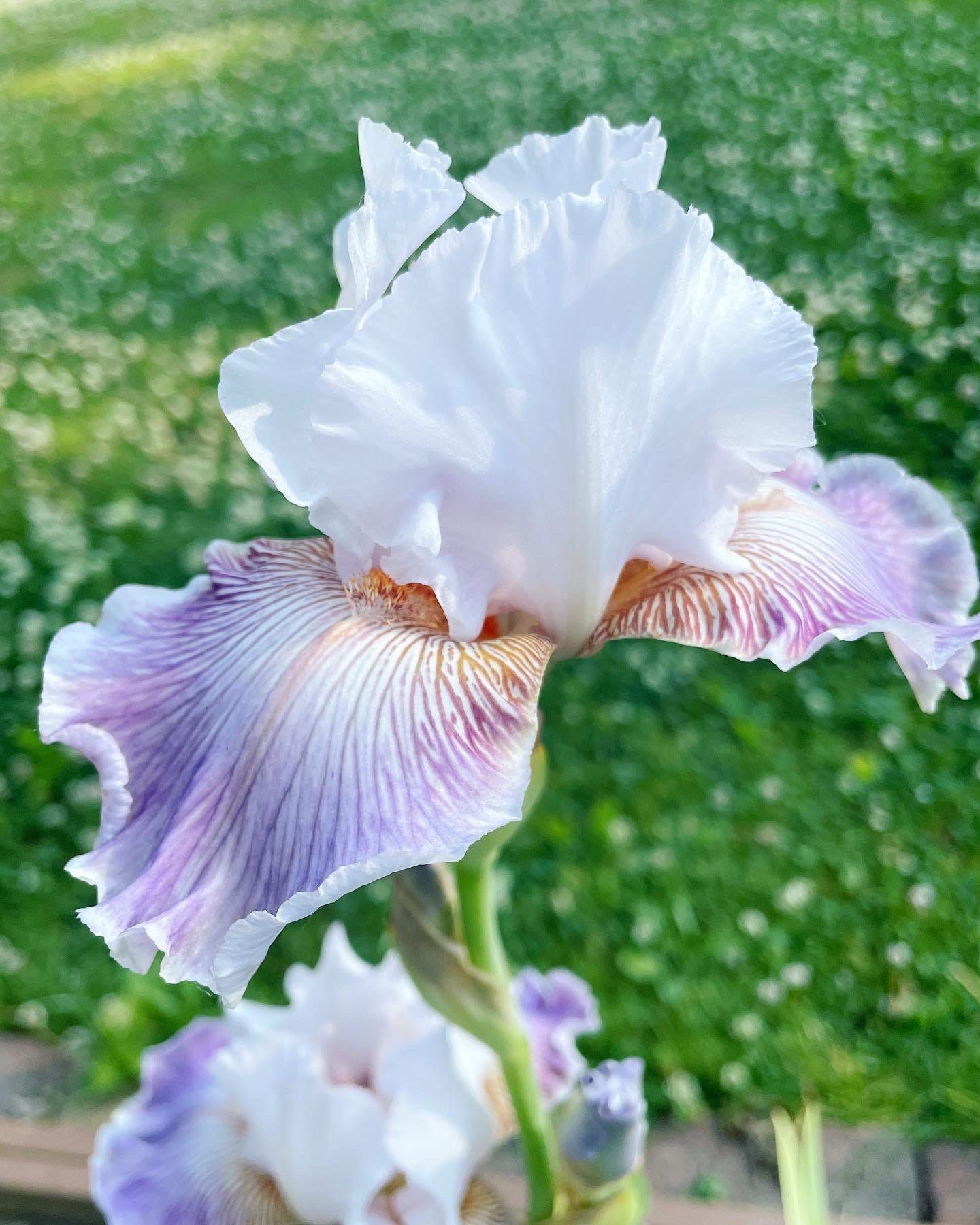
The Greek Goddess of the Rainbow
Iris are named for the Greek goddess, Iris, who herself was named for the rainbow. She was the daughter of Thaumas and the ocean nymph Electra.
Interestingly, I read that the goddess Iris is a messenger in several stories, but has no unique mythology of her own. Perhaps this is why my Iris require a bed of their own now?
As an introvert I can understand certainly that it’s high time, after all of these centuries, that she had a bit of space to herself. I just hope this little bed is big enough to hold her entire vivid rainbow.
Bearded Iris remind me of my grandmother and her gardens. We would walk her gardens together and talk about her flowers. She was partial to the purples, but we were all harmed by a snow white bearded iris that bloomed as large as our head. I thought I had transplanted rhizomes from the white one to my yard, but it bloomed a pale peach last year-lovely but a surprise. My Iris bed is in a sunny bed at the mailbox, but the foliage doesn’t look nice year round (as you said ratty by September) so I think I’ll find them a new home in our garden. Your rainbow iris bed is beautiful and inspires me to plant more colors. Have you ever planted repeat bloomers? I’m wondered how they do.
I planted a few Angel's Rest Bearded Irises and they were absolutely stunning this spring! A lovely peachy-pink with the tiniest bit of lavender around the tips.